Technology leadership for what comes next

The most expensive gap in any business sits between the strategic plan and the working system. If your platform needs an overhaul, your AI initiatives have stalled, or your technology bills keep climbing without a clear return, you don't just need more engineers. You need leadership. I've closed that gap for twenty-five years as a CTO and VP of Technology, and I take accountability for what actually ships.

Who I work with

Founders and owners

You're growing fast, but there's no technology executive in the room, so the big technical decisions keep landing on your desk and pulling you away from running the business. You need senior guidance now, not after a six-month search.

Private equity firms and portfolio companies

You need someone to vet a target's technology before you buy, steady a portfolio company after a leadership change, or get a modernization or AI initiative delivered on the timeline you promised investors.

Companies stuck in a tech mess

Somewhere along the way the technology got tangled. It happens to most companies that grow. A legacy platform nobody wants to touch, an AI project that stalled, reports nobody trusts. I've navigated this before, and I can help you get the clarity you need.

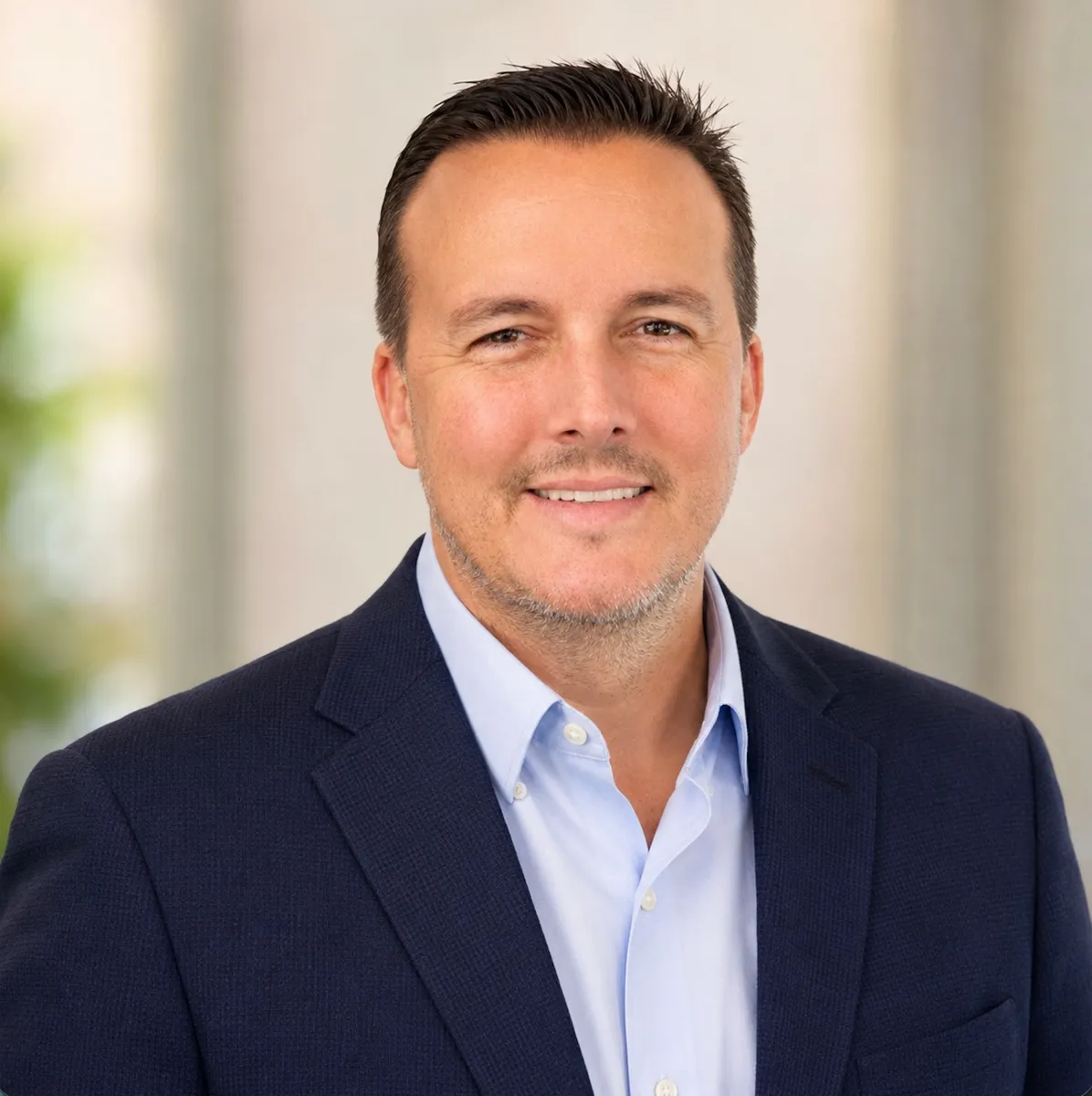
Randy Staats, fractional CTO and principal of Florida CTO
Randy Staats · Sarasota, Florida

Randy Staats

I've never stopped building. Over twenty-five years I've faced the challenges you're likely looking at right now. I've grown small teams into global, multi-division technology organizations, stood up product orgs, untangled legacy platforms, and taken AI from buzzword to production, in companies large and small. And because I've sat in both the developer's chair and the CTO's seat, I know how to connect the code being written to the results your business needs.

  • Chief Technology Officer
  • VP Technology
  • Director of Engineering
  • Senior Director, Data Engineering

When you hire me, you work with me, start to finish.

More about me →

From decision to delivery

A great strategy means nothing if it isn't built right, and the handoff between planning and execution is where most projects derail. I bridge that gap. I see the work through from the initial decision all the way to the final working system, ensuring nothing gets lost in translation. And with AI making the actual building easier every year, the real challenge isn't knowing how to build anymore, it's knowing exactly what to build.

Four areas of focus

01

Fractional CTO & Technology Leadership

A senior technology executive in your corner, so the big calls stop waiting on a hire. I set the roadmap, make the architecture calls, vet the technology in a deal, and clean up the vendor list so you stop paying for software you don't use. I hire the right technical people, then build the career ladders and development plans that keep them growing. And when it's time to scale, I build out the organization itself, whether that's a product org, new departments and teams, or global delivery teams across Europe, Central and South America, the Philippines, and India.

02

Product Engineering & Modernization

A strategy only pays off once it ships. This is the build itself, whether that's modernizing a CRM, a CMS, or a custom platform, or shipping new web and mobile products. Usually I work through the teams you already have, getting engineering, product, and stakeholders pulling in the same direction on a delivery process that fits (Scrum, SAFe, LeSS, or something lighter). If you need more hands, I'll build the staffing plan or find the right delivery partner, onshore, nearshore, or offshore. Outside capacity is easy to get wrong, and I've integrated it enough times to get it right.

03

AI Strategy & Implementation

Cutting through the hype to find the real return. I start with an honest read on where AI genuinely pays off in your business, and where it's expensive noise. Then we build working systems, wiring agents, automation, and retrieval into the tools your team already uses. And I leave you with a playbook to scale it, covering the models, the infrastructure, the governance, and the people.

04

Data & Analytics

When the business can't trust its numbers, everything downstream slows down. I build the data foundation that fixes that. Your operational data gets pulled together, cleaned up, and modeled into something your reporting, dashboards, and AI systems can rely on. Master data management and customer 360 work gives the business one view of the truth instead of five competing ones. I spent years running data organizations at scale, so this is home turf.

Outcomes I've owned

Weeks to days

We rebuilt a global media company's CMS and publishing workflow with an AI-assisted development process. Build and editorial cycles dropped from weeks to days, and page loads worldwide went from 6-8 seconds to under one. Ideas now reach the market while they still matter.

Small teams to global divisions

More than once I've taken a handful of engineers and grown them into a global technology organization spanning multiple divisions, with the modern data and cloud platform to run it, so the business never had to wait on engineering to grow.

90% fewer ad hoc reports

Self-service analytics gave a data team its time back for strategic work, and the business gets answers in minutes instead of waiting days for a report.

99.99% uptime

I ran an insurance SaaS platform (policy, claims, portals, APIs) and carried executive responsibility for its security and compliance. Downtime means customers left waiting, so we made sure it almost never happened.

Multi-million dollar budgets

I've managed annual technology spend across staffing, infrastructure, vendors, and offshore partnerships. Contract negotiations I took on personally saved hundreds of thousands of dollars.

One source of truth

A multi-brand media company had customer data scattered across its portfolio. We unified it on a modern enterprise stack and gave the business one trusted view of its customers. Every team now works from the same numbers, and leadership can act on them with confidence.

From the last decade. I'll walk you through the specifics on a call.

Shaped to the problem

Fractional CTO

I join your leadership team as your technology executive, week in and week out, and own the roadmap, the architecture, the team, and the hard calls.

Best for companies that need ongoing senior leadership.

Advisory

You have a decision to get right, like a technical due diligence, an AI or data strategy, an architecture review, or a hiring plan. I work it to a clear answer. For organizations that want a full current-state picture, there's a fixed-scope Technology Diagnostic & Roadmap.

Best for a decision you need to get right once.

About the diagnostic →

Strategy + delivery

The leadership and the build in one engagement. I set the roadmap, put the right delivery in place, and stay accountable for what ships.

Best when you need it decided and built.

The practice carries a small number of engagements at a time.

Common questions

What does a fractional CTO do?

A fractional CTO gives you a senior technology executive on a part-time basis, covering technology strategy, architecture decisions, team leadership, vendor management, and accountability for what ships. How much you need varies from company to company.

When does a company need a fractional CTO?

Three situations come up most often. A founder-led company whose technology decisions have outgrown the team, a PE firm that needs diligence on a target or an operating leader inside a portfolio company, or a mid-market company with a platform, data, or AI initiative that has stalled.

What does a fractional CTO cost?

It depends on what you need, whether that's a standing monthly arrangement for ongoing leadership or a focused advisory engagement for a single decision. Book a call and I'll give you a straight answer for your situation.

Can you tell if we're overpaying for technology?

Often, yes. Vendor contracts, cloud spend, licenses, and delivery partners tend to drift out of line as a company grows, and knowing where takes someone who has owned multi-million dollar technology budgets. Contract negotiations I've taken on have saved companies hundreds of thousands of dollars, and a spend review is a common early piece of an engagement.

Why do AI projects stall?

Rarely because of the technology. Most stalled AI projects trace back to misalignment, where the executives, the data team, and the engineers each hold a different picture of the problem being solved. AI amplifies how a company already operates. When the goals are clear and shared, it multiplies your progress. When they aren't, it multiplies the mess. That's why I start with the business problem and the way your teams make decisions, not with picking a model.

Do you do technology assessments or diagnostics?

Yes. The Technology Diagnostic & Roadmap is a fixed-scope engagement that assesses your estate across strategy and governance, systems, organization and delivery, security and data risk, analytics, and infrastructure. You get a maturity read by domain, an executive heat map, and a sequenced roadmap. It works well as preparation for an incoming technology leader or as the first step of a transformation.

Do you take interim or embedded roles?

For the right engagement, yes. Some situations call for a deeper seat for a season, like an interim CTO through a transition or a sale, or an embedded technology leader through a replatform.

Do you work alongside sitting CTOs and technology leaders?

Yes, and it's some of my favorite work. A technology leader's plate often holds more than any one person can carry. Maybe it's an AI initiative, a data platform, a modernization, or a board deliverable. I take a defined piece and run it under whatever title fits your organization, an advisor, an architect, a program leader. The roadmap stays yours, the credit stays with your team, and discretion comes standard.

How is this different from hiring a consultant?

Scope, mostly. Advisory engagements usually end at the recommendation, and sometimes that's all you need. This practice can also carry the recommendation through delivery, with a development team to build it, so one person stays accountable from the decision to the working system.

Do you only work with Florida companies?

No. I'm based in Sarasota, Florida, with current engagements across the US and Europe. Some are fully remote. Others include regular time on site, with travel when the work calls for it.